
Quick take
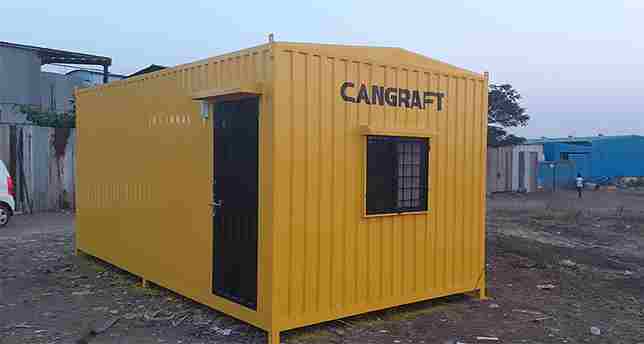
Farmhouse cabins are ideal when you want usable space on land quickly without committing to slow and expensive conventional construction. Their value comes from smart design, fit-for-purpose features, and choosing the right specifications for actual use.
For many landowners, the first requirement is not a full farmhouse building. It is a functional space that can be installed quickly and used immediately. That space may be for weekend stay, caretaker use, a small office, guest accommodation, or basic utility support. Farmhouse cabins solve this need with much more speed and flexibility than conventional structures.
The appeal of farmhouse cabins is simple: they help convert open land into usable property. A well-designed cabin creates comfort, shelter, and functionality while keeping cost, execution time, and future flexibility under control. That is why modular and portable farmhouse cabins are becoming a practical choice for both personal and commercial land use.
The smartest farmhouse structure is not always the biggest one. It is the one that fits the land, the budget, and the actual way the space will be used.
Popular farmhouse cabin design ideas
Good design is not about decoration alone. A farmhouse cabin should look appropriate, but it must also work well in real conditions. The layout, material choice, openings, roof style, and interior planning all affect how useful the cabin becomes.
Minimal single-room cabin
Suitable for short stays, quiet retreats, or basic rest space on farmland and weekend plots.
Cabin with sit-out or deck
A practical option when outdoor use and open views are an important part of the farmhouse experience.
Studio-style farmhouse cabin
Works well for combining sleeping, seating, and pantry space in a compact and efficient layout.
Cabin with attached washroom
Useful when the land will be used for regular stays, guest visits, or higher comfort expectations.
Farm office plus stay cabin
Good for owners who want a working area along with rest space for supervision and short visits.
Multi-unit modular layout
Suitable when the requirement may expand over time and separate functions are needed.
What really affects farmhouse cabin cost?
Many buyers ask for cost first, but cost alone is not a meaningful starting point. Farmhouse cabin pricing depends on how the cabin is built, what purpose it serves, and what level of comfort or finish is expected.
Cabin size
Larger cabins need more structural material, more interior work, and higher transport and installation effort.
Material selection
MS, GI, insulated panels, flooring type, roofing choice, and finish level all influence final cost.
Interior requirements
Washroom, pantry, partitions, false ceiling, wiring, air-conditioning readiness, and furniture increase cost.
Site conditions
Remote locations, uneven land, access constraints, and foundation needs can affect transport and setup cost.
The practical way to think about cost is this: a farmhouse cabin is not cheap or expensive by itself. It is economical or uneconomical depending on whether the design matches the actual use. Overbuilding wastes money. Underbuilding creates dissatisfaction later.
Practical use cases for farmhouse cabins
The biggest advantage of farmhouse cabins is flexibility. They are not limited to one role. The same land may need leisure space, supervision space, storage, and accommodation at different times. A cabin can support all of these if planned correctly.
- Weekend retreat cabin: For personal stay, relaxation, and short visits outside the city.
- Caretaker accommodation: For land supervision, security, and maintenance presence.
- Farm office cabin: For managing workers, records, equipment, and operations on larger properties.
- Guest stay unit: For visitors, relatives, or short hospitality use.
- Utility and service cabin: For tools, electrical systems, pumps, and storage support.
- Commercial farmhouse support space: For event venues, agri-tourism sites, and managed rural properties.
Practical decision rule
If the land needs usable space now, but the final long-term development may evolve later, a farmhouse cabin is often the most sensible first step.
What should be planned before installing a farmhouse cabin?
Most mistakes happen before the cabin is built. Buyers often focus on outer appearance and ignore the actual use pattern. A better approach is to define function first and structure second.
Use planning
- How often the cabin will be used
- Day use or overnight stay
- Number of people using it
- Need for washroom or pantry
Site planning
- Ground level and access road
- Water and electrical availability
- Drainage and weather exposure
- Future expansion possibilities
Why modular farmhouse cabins make practical sense
Conventional farmhouse construction takes time, needs more coordination, and locks the owner into a fixed execution path. Modular or portable cabins offer a more flexible entry point. They are faster to deploy, easier to plan, and often more suitable when the property is still developing.
This is especially useful for buyers who want to start using the property immediately instead of waiting for a fully built farmhouse. The cabin creates a functioning base on the land and can later remain as a guest unit, office, or support block even after further development.
How to choose the right farmhouse cabin
The right cabin depends on how the land is actually going to be used. A weekend rest cabin and a commercial agri-tourism support cabin are not the same. The right decision comes from clarity on usage, comfort level, and future plans.
The best farmhouse cabin is the one that fits the land and the owner’s usage pattern without carrying unnecessary cost. It should feel practical first, attractive second, and sustainable over time.
Frequently asked questions
Are farmhouse cabins only for temporary use?
No. They can be used for both short-term and long-term purposes depending on materials, fabrication quality, and the intended function.
Can a farmhouse cabin include a washroom and pantry?
Yes. These can be built into the layout depending on size, utility planning, and the level of comfort required.
What is the main cost driver in a farmhouse cabin?
Size, material specification, interior requirements, and site conditions are usually the biggest cost drivers.
Can a farmhouse cabin be customised to match the property style?
Yes. The external finish, layout, windows, roof treatment, and interior arrangement can be customised to suit the property.
Why do many buyers start with a cabin before full farmhouse construction?
Because it allows immediate use of the land, lower initial commitment, and greater flexibility while future development plans are still evolving.
Final thought
Farmhouse cabins work best when they are planned around actual use, not just visual appeal. The right design, the right cost choices, and the right practical layout can turn empty land into a usable, comfortable, and valuable property asset much faster.